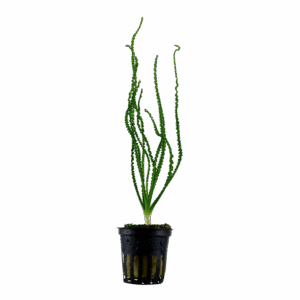
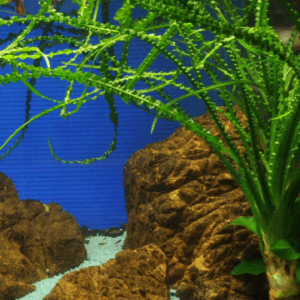
Tropica Crinum calamistratum
Crinum calamistratum from West Africa is a very graceful bulbous plant with dark-green, very narrow leaves. The curly leaves becomes 40-120 cm long. It forms smaller bulbs than the other Crinum-species, and requires less light. In the aquarium plants that are thriving form a number of small bulbs. It is not eaten by herbivorous fish. It can also be used in brackish aquariums with low salt concentrations.
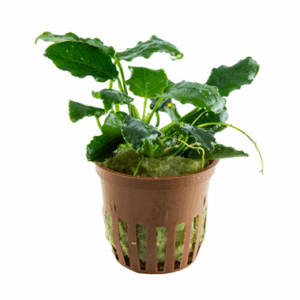
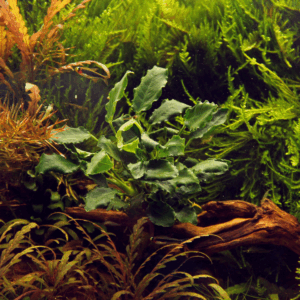
Tropica Anubias barteri var. nana ’Kirin’
Anubias barteri 'Kirin' is a captivating aquatic cultivar inspired by an Asian dragon. Its ovate dark green leaves with strongly wavy edges, measuring 3-4 cm, set it apart from other Anubias species. This slow-growing plant thrives in low-light conditions and is best attached to wood or rock in the aquarium. Avoid covering the rhizome to prevent rot and ensure its survival. Experience the magic of Anubias barteri 'Kirin' as it adds a touch of enchantment to your aquascape.
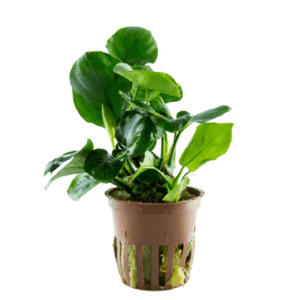
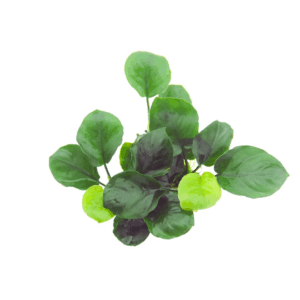
Tropica Anubias barteri ’Coin Leaf’
Anubias 'Coin Leaf' is a captivating cultivar of Anubias barteri. With its nearly circular leaves, measuring 4-6 cm in diameter, and a rich deep green color, this variant stands out. Its growth is slow and creeping, making it an ideal choice for aquarists seeking low-maintenance plants. Thriving in relatively low light, Anubias 'Coin Leaf' is an easy-to-grow plant that adds a touch of elegance to any aquarium. It can be placed on rocks or wood within the tank, but if planted in the substrate, take care not to bury the rhizome. Burying the rhizome can lead to rotting and the plant's demise. Discover the beauty of Anubias 'Coin Leaf' as it enhances your aquatic garden with its circular leaves and vibrant green hue.


ORGAN-EX Ultimate Organic Waste Absorber


External breeder box
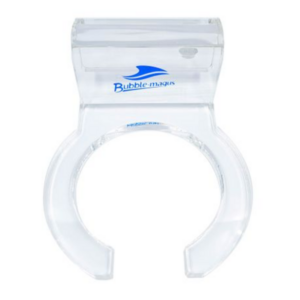

Bubble Magus Filter Sock Holder Bracket
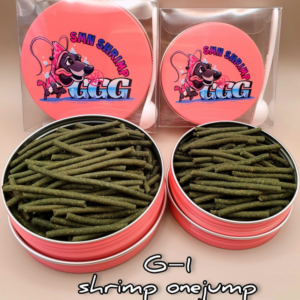
SMN Shrimp – G1 Shrimp Onejump

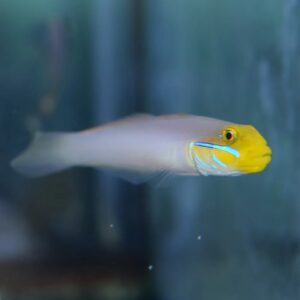
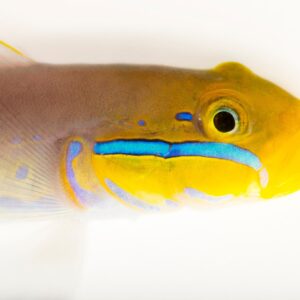
Bluestreak Goby
The Bluestreak Goby is a gentle and social fish, rarely aggressive toward tankmates. It spends most of its time near the substrate, digging shallow burrows and moving mouthfuls of sand through its gills to extract microfauna.
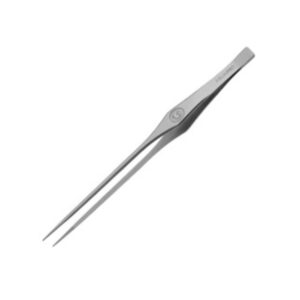
AquaPro Master Series Tweezers